Tech Industry Predictions: What to Expect from Major Developer Conferences in 2026
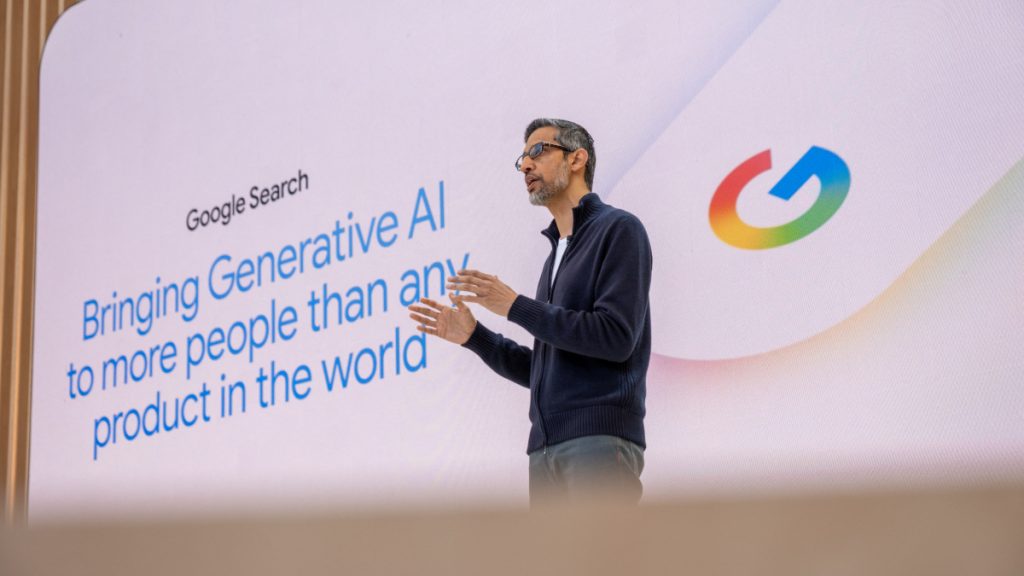
The tech industry’s biggest developer conferences are approaching, and I believe we’re about to witness some truly transformative announcements. While specific details remain scarce, the patterns from previous years give us strong indicators of what’s coming. For developers and tech enthusiasts, this is the most exciting time of year—though I’d argue that casual consumers might find these announcements less immediately relevant.
Looking at last year’s major announcements, we saw significant developments in extended reality platforms, artificial intelligence integration across search functions, mobile AI assistants expanding to iOS devices, virtual try-on capabilities for retail, and new AI models spanning multiple product lines. I think this trajectory will continue, but with even more ambitious implementations that will fundamentally change how we interact with technology.
Artificial Intelligence Will Dominate the Conversation
Every major tech company is betting heavily on AI, and I expect this trend to accelerate dramatically. For businesses looking to stay competitive, these AI developments are absolutely crucial. However, for everyday users who just want their devices to work reliably, the constant AI focus might feel overwhelming and unnecessary.
I anticipate major updates to AI video generation tools, image creation platforms, music composition systems, and lightweight open-source models. These technologies are reaching a maturity level where they’ll actually be useful for creative professionals and content creators, not just impressive demos. The performance improvements we’re likely to see will benefit anyone working in creative industries, while potentially disrupting traditional workflows—something that established professionals should definitely pay attention to.
The flagship AI systems are evolving rapidly, with new models promising faster processing and enhanced capabilities. I’ve noticed increasing integration across mapping services, photo management platforms, and even mental health applications. This comprehensive approach suggests we’re moving toward truly integrated AI assistants rather than standalone tools. For power users who embrace new technology, this is exciting. For those who prefer simplicity, it might feel like unnecessary complexity.
Mobile Operating System Evolution Continues
The latest mobile operating system has been in beta testing since February, though I’d characterize it as an incremental rather than revolutionary update. This approach makes sense for mature platforms, but it might disappoint users hoping for dramatic changes.
The standout features include native gaming controller remapping—which is fantastic news for mobile gamers who’ve been waiting years for this functionality—and application bubble interfaces that allow minimized apps to float on screen. These features will primarily benefit gaming enthusiasts and multitasking power users. Casual smartphone users probably won’t notice much difference in their daily experience.
What’s particularly interesting is how companies are restructuring their announcement strategies. Last year’s separate mobile-focused presentation freed up the main keynote for AI discussions. I think this segmentation reflects the industry’s recognition that different audiences care about different technological advances.
Extended Reality Platforms Gaining Momentum
The extended reality space is finally moving beyond experimental phases into practical applications. Smart glasses platforms are positioning themselves as the next major computing interface, integrating heads-up displays with messaging, navigation, and AI assistance capabilities.
Partnership announcements with eyewear manufacturers suggest we’re approaching actual consumer availability rather than just concept demonstrations. For early adopters and tech professionals, this represents a significant opportunity to get ahead of the curve. However, I’m skeptical about mainstream adoption in the near term—the technology still feels too niche for average consumers.
The privacy implications concern me significantly. When recording capabilities become invisible and ubiquitous, we’re creating serious social and legal challenges. Some developers are already creating detection applications to identify when someone is wearing recording-capable glasses. I think companies need to address these concerns proactively rather than reactively, though the tech industry’s track record on privacy isn’t particularly reassuring.
Operating System Convergence Projects
The most intriguing development might be efforts to unify mobile and desktop operating systems. Rather than simply scaling mobile interfaces for larger screens, these projects aim to create genuinely desktop-optimized experiences built on mobile foundations.
This convergence could revolutionize how we think about computing devices, potentially eliminating the artificial barriers between phones, tablets, and computers. For businesses managing multiple device types, this could simplify IT management significantly. For consumers, it might mean more consistent experiences across all their devices.
However, I’m cautious about overpromising on timeline and execution. Operating system convergence has been attempted before with mixed results. The technical challenges are substantial, and user expectations are high. Success here could reshape the entire computing landscape, but failure could set back similar efforts for years.
Overall, I believe these upcoming announcements will be most valuable for developers, creative professionals, and technology enthusiasts who can leverage cutting-edge capabilities immediately. Mainstream consumers might find the innovations interesting but not immediately transformative to their daily lives.