Maximizing Style in Compact Living Spaces: Design Solutions That Actually Work
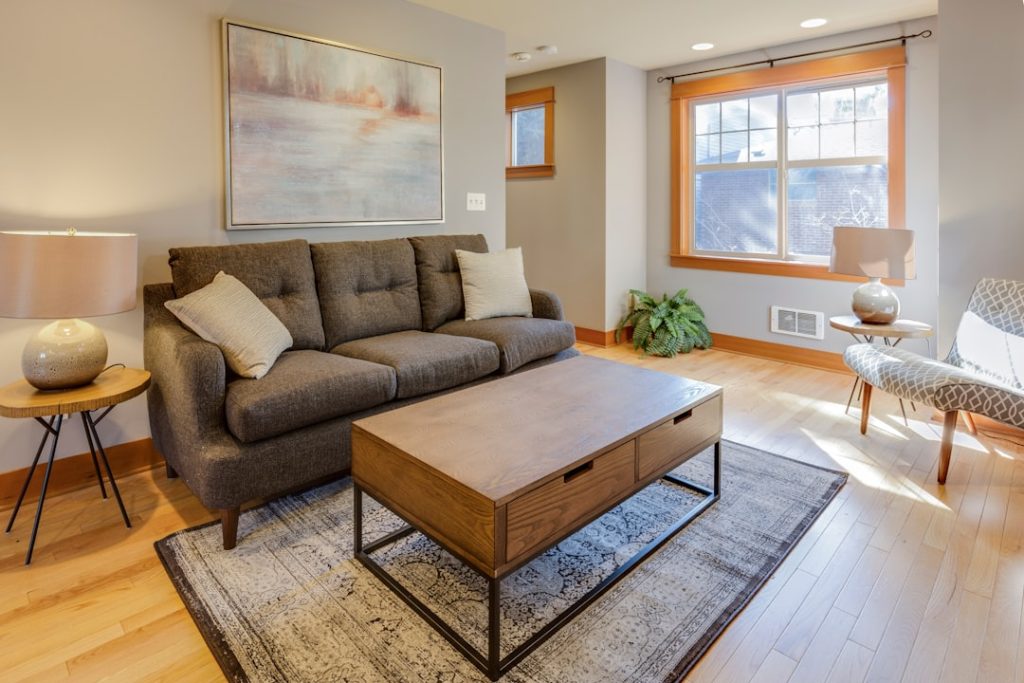
Small living rooms present one of the most challenging yet rewarding design puzzles in modern home decoration. Having analyzed dozens of compact living spaces, I’m convinced that size limitations often force homeowners to become more creative and intentional with their design choices – and the results can be absolutely stunning.
Why Small Living Rooms Are Actually Design Gold Mines
I believe compact living rooms are where true design talent shines. When you can’t rely on sheer square footage to make an impact, every single element must earn its place. This constraint breeds innovation in ways that spacious rooms simply don’t demand.
The homeowners who succeed in these spaces share common traits: they’re decisive about what matters most to them, they’re willing to invest in multi-functional pieces, and they understand that visual tricks can dramatically alter perception of space.
Who Benefits Most From Compact Living Room Design
Urban dwellers, particularly young professionals and couples, stand to gain the most from mastering small space design. If you’re paying premium prices for city living, making every square foot count isn’t just aesthetic – it’s financial wisdom.

However, I think families with children might struggle more with these ultra-compact approaches. While the design principles remain valuable, the reality of toys, extra seating needs, and daily chaos can make some of these pristine small-space solutions impractical.
Strategic Furniture Selection Makes or Breaks the Space
The most successful tiny living rooms I’ve observed share one critical element: ruthless furniture curation. Every piece serves multiple purposes or provides exceptional visual impact. Storage ottomans replace traditional coffee tables, while wall-mounted shelving eliminates the need for bulky bookcases.
What I find particularly effective is the use of furniture with legs – it creates visual flow underneath, making rooms feel less cramped. Solid, ground-hugging pieces can make even moderately sized rooms feel claustrophobic.
Color Psychology in Confined Spaces
Light colors undoubtedly make spaces feel larger, but I think the all-white approach is overrated and often impractical for real living. Instead, strategic use of deeper colors on accent walls can actually create depth and sophistication without sacrificing the sense of space.

The key lies in balance – predominantly light surfaces with carefully chosen darker elements that add personality without overwhelming the room.
Lighting: The Secret Weapon Most People Ignore
Poor lighting kills small living rooms faster than cramped furniture arrangements. I’m amazed how many people invest heavily in furniture while neglecting lighting design. Multiple light sources at varying heights create layers that expand visual space dramatically.
Table lamps, wall sconces, and floor lamps should work together to eliminate harsh shadows that make spaces feel smaller and less welcoming.
Who Should Skip the Tiny Living Room Trend
If you frequently entertain large groups, these ultra-compact designs probably aren’t for you. While they photograph beautifully and work well for daily life, they often lack the flexibility needed for hosting dinner parties or game nights with friends.
Similarly, collectors of books, art, or other items might find the minimalist approach required for successful small space design too restrictive for their lifestyle.
The most successful small living rooms belong to people who genuinely embrace minimalism as a lifestyle choice, not just an aesthetic preference. If you’re constantly fighting the urge to add more items, you’ll likely find these spaces stressful rather than serene.
Photo by Francesca Tosolini on Unsplash