The New Steam Controller Sets a High Bar for PC Gaming Peripherals
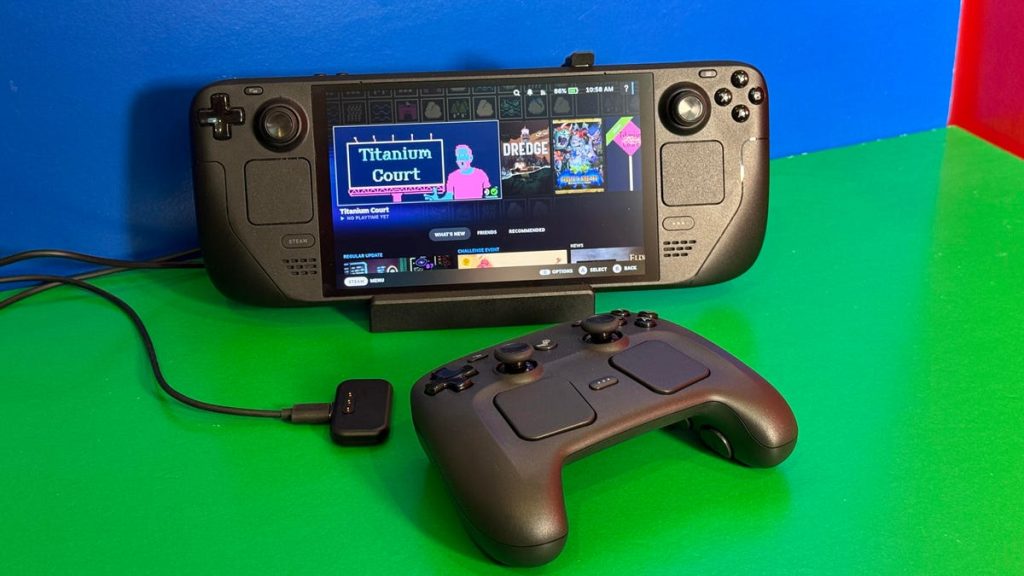
After spending several weeks with Valve’s latest gaming controller, I’m convinced this $99 device represents what PC gaming peripherals should aspire to be. While the gaming industry continues to fragment across different platforms and ecosystems, this controller demonstrates how thoughtful hardware design can bridge the gap between handheld and traditional gaming experiences.
What strikes me most about this controller is how it successfully transplants the Steam Deck’s control scheme into a wireless format without losing any of the functionality that makes handheld PC gaming so compelling. The dual analog sticks work alongside generous capacitive touchpads, while the back features clickable touch-enabled paddle buttons. Gyroscopic controls round out the feature set for games that support motion aiming.
Why This Matters for Different Types of Gamers
In my opinion, this controller fills a crucial gap that many PC gamers didn’t even realize existed. If you’re someone who primarily games on a desktop setup, you might wonder why you’d need another controller when existing options work fine. But I think you’re missing the bigger picture – this isn’t just about having another input device.
For Steam Deck owners who want to extend their gaming to larger screens, this controller becomes practically essential. I’ve been testing it connected to a TV setup, and the experience feels remarkably seamless. The wireless puck solution is genuinely brilliant – it provides dedicated wireless connectivity while doubling as a magnetic charging base. This kind of thoughtful engineering is what separates good hardware from great hardware.
However, I’ll be honest about who this controller isn’t for. If you’re deeply invested in console gaming ecosystems, this won’t work with your Nintendo Switch, Xbox, or PlayStation systems. That’s a significant limitation that potential buyers need to understand upfront. This is specifically designed for PC gaming environments, particularly those running Steam.
The Wireless Innovation That Actually Works
The included wireless puck deserves special recognition because it solves a real problem elegantly. Rather than relying solely on Bluetooth connectivity, which can introduce latency issues, the dedicated wireless channel provides noticeably faster response times. During testing with precision-demanding games, the controller felt as responsive as wired alternatives.
What I find particularly smart is that up to four controllers can connect to a single puck, making multiplayer setups more practical. Each controller includes its own puck, but this flexibility reduces cable clutter for group gaming sessions.
Build Quality and Comfort Assessment
The haptic feedback implementation here is exceptional, ranging from subtle touches to strong vibrations. Even the trackpad clicks are haptic-generated, which creates a surprisingly satisfying tactile experience. The controller feels substantial without being unwieldy – slightly heavier than typical console controllers but in a way that suggests quality rather than bulk.
I think the comfort level exceeds what you’d expect from the Steam Deck’s built-in controls. The button placement feels natural, and those trackpads that might seem intimidating actually integrate well into the overall design without interfering with traditional gaming patterns.
Who Should Consider This Purchase
This controller makes the most sense for three specific groups. First, existing Steam Deck owners who want to expand their gaming to TV setups will find this nearly indispensable. Second, PC gamers who appreciate having multiple input options for different game types will value the versatility. Third, anyone building a living room PC gaming setup should seriously consider this as their primary controller.
The $99 price point positions this as a premium option, which I think is justified by the feature set and build quality. However, budget-conscious gamers might want to stick with more affordable alternatives unless they specifically need the unique capabilities this controller provides.
Looking at the broader gaming landscape, this controller represents Valve’s continued commitment to expanding PC gaming beyond traditional desktop setups. While we wait for their rumored VR headset and console-style systems, this controller already makes existing Steam hardware feel more versatile and living room-friendly.
My verdict is that this controller succeeds at what it attempts to do. It’s not trying to be everything to everyone, but for its target audience of PC and Steam Deck gamers, it delivers an experience that feels both familiar and genuinely improved over existing options.