Traffic Management Game Empowers Community to Shape Future Content Through Democratic Voting
The intersection of gaming and democratic decision-making has taken an interesting turn as developers increasingly recognize the value of community input in shaping content direction. This approach, while not entirely new, represents a fascinating shift in how studios approach post-launch content development.
Community-Driven Content Selection
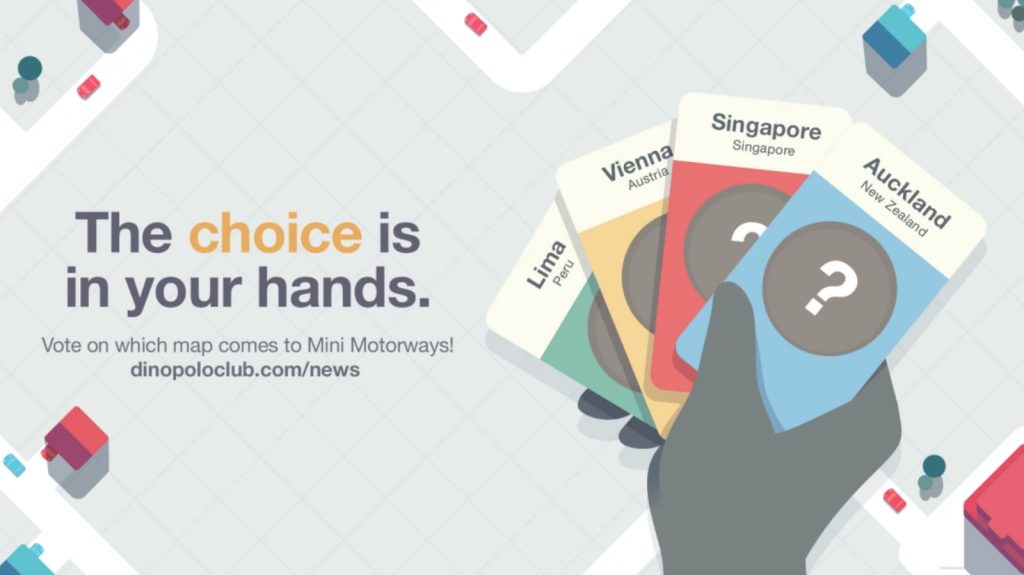
Dinosaur Polo Club has launched a community voting initiative for their traffic management simulator, allowing players to determine which metropolitan area will receive the next official map treatment. The voting pool includes four diverse urban landscapes: Vienna, Auckland, Singapore, and Lima – each offering unique geographical and infrastructural challenges that would translate into distinct gameplay experiences.
I find this approach particularly compelling because it demonstrates genuine respect for the player base’s preferences while simultaneously generating organic marketing buzz. The four-city selection shows thoughtful curation, representing different continents and urban planning philosophies that would appeal to various player demographics.
The Mechanics of Democratic Game Development
The voting system operates under specific constraints designed to maintain fairness while preserving developer autonomy. Each participant receives a single vote, with the studio monitoring social media channels for additional community sentiment. Importantly, the developers retain final authority over implementation decisions, which I believe strikes the right balance between community engagement and creative control.
This measured approach makes sense for smaller development teams who need to balance community desires with technical feasibility and resource constraints. The May 15th deadline creates urgency without being overly restrictive, giving players adequate time to consider their choices.
Target Audience and Market Positioning
This voting initiative particularly benefits existing players who have demonstrated long-term engagement with the franchise. These are typically strategy game enthusiasts who appreciate urban planning mechanics and minimalist design aesthetics. The demographic likely skews toward adults who enjoy puzzle-solving and systematic thinking.
However, this approach might not resonate with casual mobile gamers who prefer immediate content availability over participatory development processes. Players seeking instant gratification may find the voting mechanism unnecessarily complex when they simply want new maps to explore.
Cross-Platform Accessibility
The winning map will be distributed across all supported platforms – iOS, PC, Mac, and Nintendo Switch – ensuring no player segment feels excluded from the community decision. This universal availability reinforces the democratic nature of the selection process and maximizes the impact of the community’s choice.
From a business perspective, this cross-platform approach is smart because it prevents platform-specific fragmentation that could undermine the voting process’s legitimacy. Players can participate knowing their preferred platform won’t be overlooked in the final implementation.
Broader Industry Implications
This community-driven content strategy reflects broader trends in independent game development, where smaller studios leverage player engagement to guide resource allocation. Unlike larger publishers who might conduct extensive market research, indie developers often rely on direct community feedback to make informed decisions about future content.
I believe this approach works exceptionally well for simulation and strategy games where players develop deep, long-term relationships with the core mechanics. The voting system transforms passive consumers into active stakeholders, potentially increasing retention and word-of-mouth marketing.
The studio’s recent expansion into cooperative gaming experiences demonstrates their willingness to experiment with different engagement models while maintaining their core traffic management expertise. This diversification suggests a healthy approach to sustainable indie development that doesn’t rely solely on single-game success.