Chinese Autonomous Vehicle Company Seeks International Expansion in Self-Driving Taxi Market
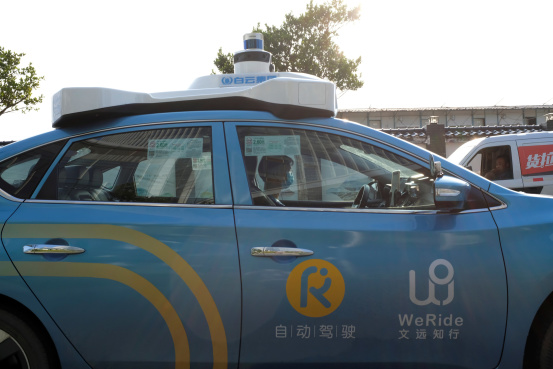
The autonomous vehicle industry is witnessing an ambitious push from Chinese companies looking to establish themselves as global leaders in the robotaxi sector. This development represents a fascinating shift in the competitive landscape, where traditional automotive powerhouses are being challenged by tech-forward startups with deep pockets and aggressive expansion strategies.
What strikes me most about this trend is the sheer audacity of these companies’ global ambitions. While many Western autonomous vehicle firms are still struggling with regulatory hurdles and technical challenges in their home markets, Chinese competitors are already plotting international dominance. This isn’t just about technology – it’s about reimagining urban transportation on a planetary scale.
The Strategic Implications of Global Robotaxi Expansion
For investors and industry watchers, this represents both tremendous opportunity and significant risk. The robotaxi market could potentially be worth hundreds of billions of dollars, but the path to profitability remains murky. I believe this aggressive international expansion strategy makes sense for well-funded Chinese firms because they can leverage their domestic scale and manufacturing advantages to compete globally.
However, this approach isn’t without its challenges. Regulatory environments vary dramatically between countries, and what works in China’s more permissive testing environment may not translate seamlessly to markets with stricter safety requirements and different urban infrastructure.
Who Benefits from This Development
Several groups stand to gain from this international expansion:
- Urban commuters in cities that embrace early adoption of autonomous taxi services
- Technology suppliers and component manufacturers who can scale production
- Investors positioned in the autonomous vehicle supply chain
- Cities looking to reduce traffic congestion and parking demands
Who Faces Challenges
Conversely, certain stakeholders may find themselves at a disadvantage:
- Traditional taxi drivers and ride-sharing operators
- Established automotive manufacturers moving slowly on autonomous technology
- Western autonomous vehicle companies that may lose first-mover advantages
- Regulatory bodies struggling to keep pace with technological advancement
The Reality Check on Market Dynamics
While the vision of a global robotaxi empire sounds compelling, I remain skeptical about the timeline for widespread adoption. The technology still faces significant hurdles, particularly in complex urban environments with unpredictable human behavior. Safety concerns, insurance liability questions, and public acceptance remain major obstacles that won’t be solved simply through aggressive expansion.
What’s particularly interesting is how this international push could accelerate regulatory frameworks worldwide. Countries may feel pressure to establish clear guidelines for autonomous vehicles to avoid being left behind in this technological race.
The success of any global robotaxi expansion will ultimately depend on execution rather than ambition. Companies that can navigate diverse regulatory landscapes, adapt their technology to local conditions, and build trust with both governments and consumers will be the ones that thrive. Those that simply try to replicate their domestic success without understanding local nuances are likely to struggle.
This development signals that the autonomous vehicle industry is entering a new phase of international competition, where success will require not just technological prowess, but also diplomatic skill and cultural adaptability.