Oral Weight-Loss Medications Transform Market Dynamics as Danish Giant Outpaces American Rival
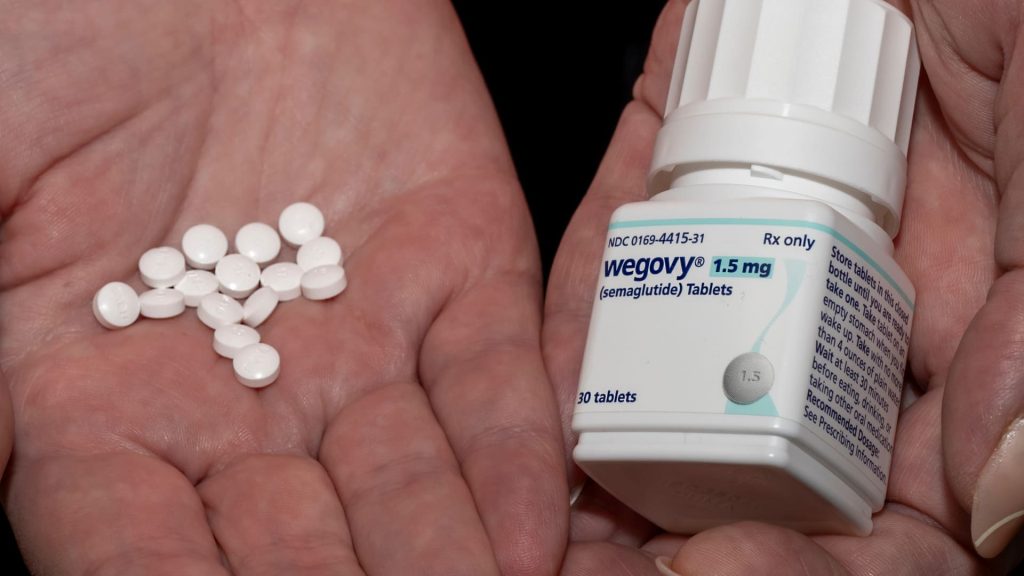
The pharmaceutical landscape for obesity treatments has experienced a dramatic shift since the introduction of oral weight-loss medications, fundamentally altering how investors view market leadership in this rapidly expanding sector. What we’re witnessing is nothing short of a revolution in accessibility and patient adoption patterns.
The impact has been immediate and profound. Telehealth provider LifeMD reported that their patient volume doubled virtually overnight when the first oral semaglutide treatment became available in January. CEO Justin Schreiber watched his company’s daily new patient intake surge from 300-400 to 600-1,000 patients. This isn’t just growth—it’s a complete transformation of the treatment landscape that I believe signals a permanent shift in how obesity care will be delivered.
What strikes me most about this development is how it’s reshaping investor expectations. The Danish pharmaceutical company’s early success with their oral formulation has caught many analysts off guard, particularly those who expected the American competitor to dominate the pill market as they had with injectable treatments. This reversal highlights a crucial lesson: first-mover advantage can be fleeting in pharmaceuticals, but execution excellence endures.
The efficacy data tells a compelling story that I think investors initially underestimated. While the American company’s oral treatment delivered approximately 12% weight loss, the Danish rival’s formulation achieved nearly 17% weight reduction in clinical trials. For patients struggling with obesity, this difference isn’t just statistical—it’s potentially life-changing. This performance gap explains why the Danish company could command premium positioning despite entering a competitive market.
Strategic Marketing Execution Makes the Difference
The Danish company’s marketing strategy deserves particular attention because it demonstrates how pharmaceutical companies can shape market narratives. Their three-month head start allowed them to address potential concerns about daily dosing requirements while emphasizing superior efficacy. The $149 monthly entry price point was strategically positioned to expand market access while maintaining premium positioning.
I believe this marketing approach was brilliant because it addressed the two primary barriers to GLP-1 adoption: needle phobia and cost. By positioning their oral medication as both more convenient and more effective than alternatives, they created a compelling value proposition that resonated with both patients and healthcare providers.
The celebrity endorsements and high-profile advertising campaign, including their first Super Bowl commercial, signal a company confident in their product’s potential. This level of investment in consumer marketing suggests they view this launch as transformational for their business, not just incremental growth.
Market Expansion Beyond Traditional Demographics
What’s particularly interesting is how oral formulations are expanding the addressable patient population. Telehealth platforms report that men are increasingly seeking these treatments, though women still represent the majority of patients. This demographic shift matters because it suggests the total addressable market is larger than previously estimated.
The preference for oral medications is overwhelming on telehealth platforms, with patients choosing pills over injections “by a huge factor,” according to industry executives. This preference stems from both psychological comfort with oral medications and the significantly lower cost compared to injectable alternatives.
For investors, this trend represents both opportunity and risk. Companies that successfully capture this expanding market will see substantial revenue growth, but those that fail to adapt their strategies may find themselves losing market share rapidly.
Competitive Response and Market Dynamics
The American competitor’s response with their Foundayo launch appears more measured, perhaps reflecting lessons learned from previous product introductions. With over 20,000 patients starting treatment in the first few weeks and more than 1,000 new daily starts, their numbers are respectable but notably lower than their rival’s explosive growth.
I think the American company faces a more challenging path because they’re introducing an entirely new brand with a different active ingredient, unlike their competitor who leveraged existing brand recognition. This brand-building challenge shouldn’t be underestimated—it requires significant time and marketing investment to achieve the same level of consumer awareness.
However, dismissing their potential would be premature. Their track record with injectable treatments shows they can overcome initial disadvantages through sustained execution. The question is whether they can accelerate their timeline sufficiently to prevent their competitor from establishing an insurmountable lead.
Investment Implications and Risk Assessment
For investors, these developments require careful consideration of several factors. The Danish company’s success with oral medications doesn’t guarantee long-term dominance, particularly given competitive pressures and patent considerations. Their stock faces headwinds from generic competition in key international markets and potential margin compression from lower-priced oral formulations.
The pipeline strength of both companies becomes crucial in this context. Investors need to evaluate whether either company has sufficient innovation capacity to maintain competitive advantages as the market matures. Single-product success, while impressive, rarely sustains long-term market leadership in pharmaceuticals.
I believe the most prudent investment approach focuses on companies with diversified GLP-1 portfolios and strong pipeline development capabilities rather than betting solely on current oral medication performance. The obesity treatment market will continue evolving, and sustainable competitive advantages will likely emerge from innovation consistency rather than individual product launches.
The broader implication is that oral GLP-1 medications are democratizing obesity treatment access, potentially creating a market several times larger than the injectable-only era. This expansion benefits the entire sector, but market share distribution remains highly competitive and subject to rapid change based on product performance and strategic execution.