Limited Edition Cerulean Candy Creates Internet Frenzy and Instant Sellout
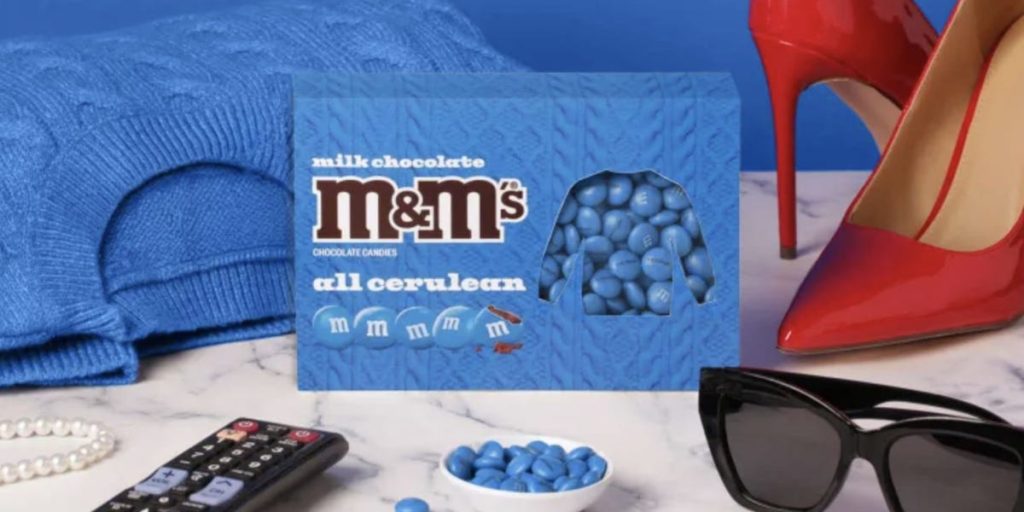
The intersection of pop culture nostalgia and marketing gimmicks reached a new peak this week when a major candy manufacturer released a special edition product that disappeared faster than fashion trends in Milan. What should have been a fun tribute to cinema history instead became a masterclass in how not to handle limited releases.
I have to admit, this whole situation perfectly encapsulates everything wrong with modern product launches. A confectionery company decided to capitalize on the upcoming sequel to a beloved 2006 fashion film by creating an “All Cerulean” candy pack – essentially chocolates in one very specific shade of blue that references an iconic movie monologue about the fashion industry’s influence on everyday choices.
The concept itself is brilliant, honestly. Any fan of the original film knows exactly which scene this references – that devastating takedown of casual dismissal toward fashion’s cultural impact. The packaging even featured a sweater pattern design, making the connection unmistakable. It’s the kind of hyper-specific marketing that should delight niche audiences.
Here’s where my enthusiasm turns to frustration: the execution was absolutely botched. The company offered these collectible candies for free on their website starting at 11 a.m. Eastern Time on May 1st, with the usual “while supplies last” caveat. Based on social media reactions, “while supplies last” apparently meant about fifteen seconds.
This is exactly the problem with how companies approach limited releases today. They create artificial scarcity that serves no one except resellers and bots. Real fans – the people who would actually appreciate and enjoy these products – get shut out while automated systems snap up inventory instantly.
The online backlash was swift and predictable. Social media filled with complaints from disappointed fans who had set alarms, cleared their schedules, and prepared for what should have been a simple transaction. Instead, they encountered crashed servers and sold-out messages before they could even complete a purchase.
Who benefits from this approach? Certainly not the target demographic of film enthusiasts and candy collectors. The only winners are resellers who will inevitably flip these items at inflated prices and the marketing team who can claim their campaign “broke the internet.”
This situation perfectly illustrates why I’m increasingly skeptical of limited edition marketing stunts. They generate buzz, sure, but they also create genuine disappointment among the very people companies claim to be celebrating. When your promotional campaign leaves your biggest fans feeling frustrated and excluded, you’ve missed the point entirely.
For consumers, this serves as another reminder that corporate nostalgia plays are primarily about generating headlines, not rewarding loyalty. The smart move for anyone interested in future limited releases? Don’t get your hopes up, and definitely don’t rearrange your schedule for what amounts to a digital lottery with terrible odds.
The real tragedy here isn’t that people missed out on novelty candy – it’s that a genuinely creative marketing concept was executed in the most consumer-hostile way possible. This could have been a delightful moment of shared cultural appreciation instead of another exercise in artificial scarcity and disappointment.