Low-Cost Carrier Expansion Strategy: How Airlines Capitalize on Competitor Failures
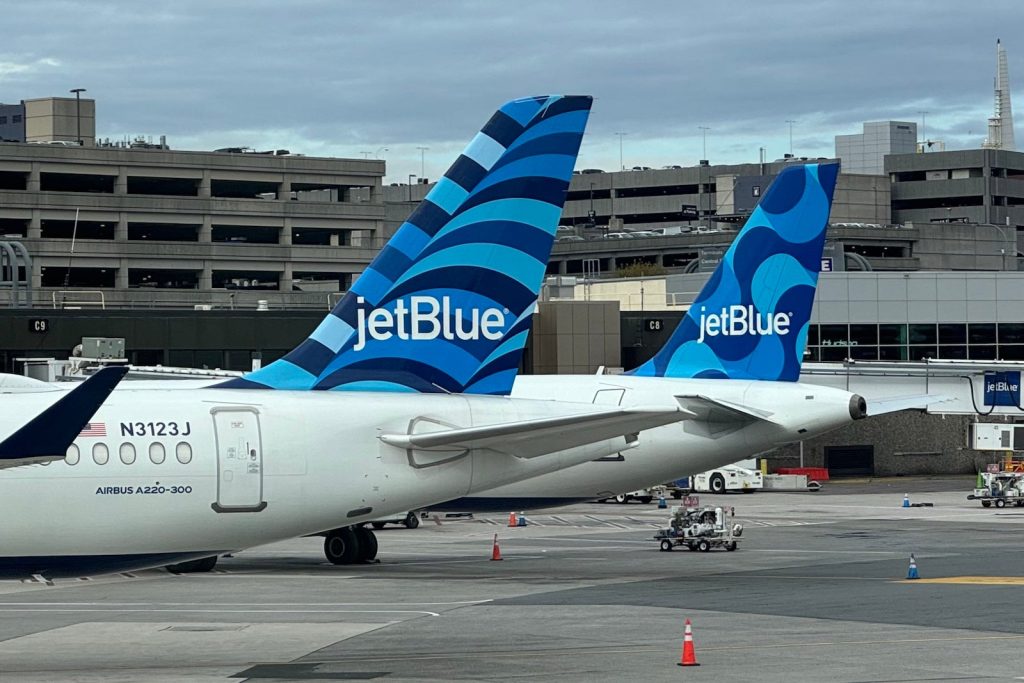
The recent shutdown of a major budget airline has created a fascinating case study in how established carriers swiftly move to capture abandoned market share. This strategic maneuvering represents both an opportunity and a challenge that I believe will reshape the competitive landscape in ways that favor some travelers while potentially disadvantaging others.
Strategic Market Capture in Action
When a significant low-cost carrier ceases operations, it creates an immediate vacuum in the aviation market. In this instance, a New York-based airline has announced plans to launch eleven new routes from Fort Lauderdale-Hollywood International Airport, strategically targeting destinations previously served by the now-defunct competitor.
The new service routes include a mix of domestic and international destinations, spanning from major U.S. cities like Baltimore, Charlotte, Chicago, Detroit, Houston, and Nashville, to international markets in Colombia and Puerto Rico. What’s particularly interesting is that six of these destinations represent entirely new markets for the expanding carrier.
The Winners and Losers
This development will undoubtedly benefit business travelers and frequent flyers who value network connectivity and service quality over rock-bottom prices. The expanding airline typically offers superior onboard amenities and more reliable operations compared to ultra-low-cost carriers. However, I’m concerned that budget-conscious leisure travelers will be the primary casualties of this market consolidation.
The reality is that when ultra-low-cost capacity disappears, it rarely gets replaced on a one-to-one basis with equivalent pricing. Industry analysts predict fare increases across these markets, which I believe will price out many travelers who previously relied on the defunct carrier’s aggressive pricing strategy.
Market Dynamics and Capacity Implications
The closure removes nearly 2% of domestic airline capacity from the U.S. market instantaneously. Fort Lauderdale was the shuttered airline’s largest hub, making it a prime target for expansion by competitors. This concentration of abandoned routes at a single airport creates an unusual opportunity for strategic expansion that I think savvy airlines would be foolish to ignore.
What impresses me most about this particular expansion is the speed of execution. Launching eleven routes within months of a competitor’s closure demonstrates sophisticated operational planning and fleet flexibility that not all carriers possess.
The Broader Industry Impact
This situation perfectly illustrates why airline industry consolidation concerns me. When ultra-low-cost carriers fail, the remaining airlines rarely compete on price to the same extent. Instead, they focus on capturing market share while maintaining higher fare levels. This benefits airline shareholders and passengers who prioritize service quality, but it fundamentally reduces travel accessibility for price-sensitive consumers.
The expanding airline’s vision of creating a major connecting hub at Fort Lauderdale makes strategic sense from a network perspective. However, I question whether this will truly serve the diverse travel needs that the previous low-cost operator addressed.
What This Means for Different Traveler Types
For premium travelers and those with flexible travel budgets, this development is largely positive. They’ll gain access to new destinations with likely superior service standards and more reliable operations. Business travelers, in particular, should benefit from improved connectivity and schedule options.
Conversely, families and budget travelers who previously relied on ultra-low-cost options may find themselves priced out of certain markets. While rescue fares and temporary discounts provide short-term relief, the long-term pricing environment will likely settle at levels significantly higher than what the defunct carrier offered.
I believe this situation also highlights the importance of having backup travel plans and understanding your rights when airlines cease operations. Travelers who diversify their loyalty across multiple carriers and maintain flexibility in their travel planning will navigate these disruptions more successfully than those who rely exclusively on a single ultra-low-cost option.
The aviation industry’s response to this closure will likely serve as a template for future similar situations, making it a development worth monitoring for anyone interested in understanding airline market dynamics and their impact on travel accessibility.