How Chinese Automotive Innovation Is Reshaping Global Car Technology Standards
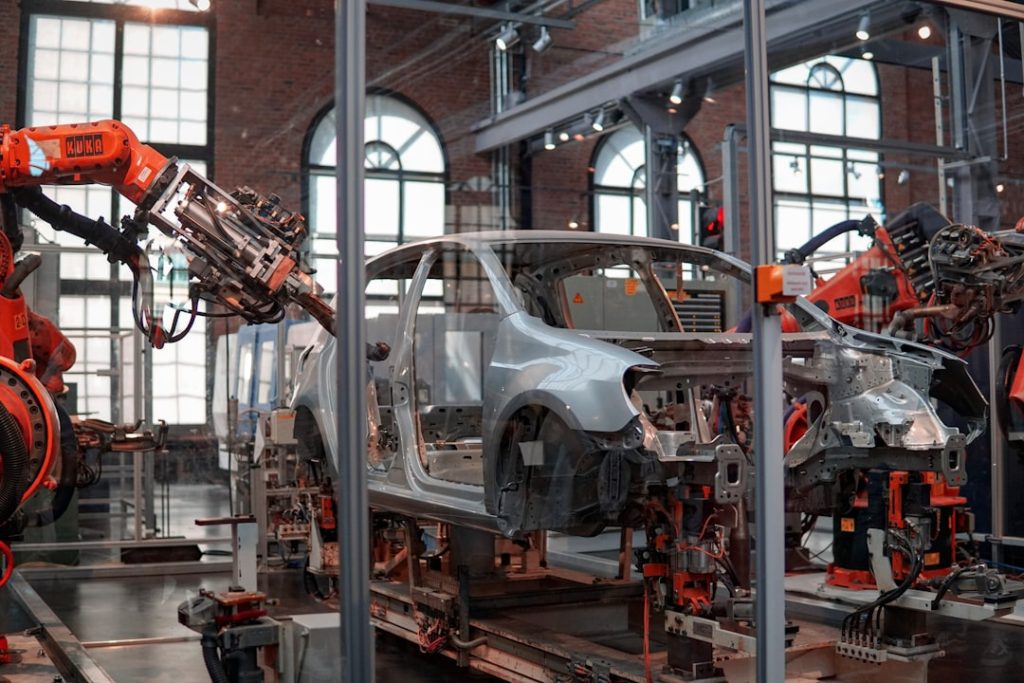
The automotive landscape is experiencing a seismic shift, and frankly, anyone who isn’t paying attention to what’s happening in Chinese car manufacturing is missing the biggest story in modern transportation. Having recently explored the massive Beijing Auto Show, I’m convinced that the technological developments emerging from China aren’t just impressive—they’re fundamentally changing what we should expect from our vehicles.
The Scale of Innovation That Should Make Everyone Take Notice
What struck me most wasn’t just the sheer size of the exhibition space—imagine 53 football fields packed with cutting-edge vehicles—but the relentless focus on artificial intelligence and robotics integration. This isn’t about flashy concept cars that will never see production. These are real technologies being implemented at scale, and I believe they represent the future direction of the entire industry.
The reality is that Chinese automotive companies are operating in an environment that demands immediate technological adoption. Unlike markets where consumers might tolerate slower innovation cycles, Chinese buyers expect instant technological gratification. This creates a pressure cooker environment that’s accelerating development across the board.
Why Global Automakers Are Scrambling to Keep Up
Speaking with executives from major international brands revealed something fascinating: they’re not just competing in China—they’re learning from it. The complexity of Chinese urban environments, with their unique mix of pedestrians, cyclists, and vehicles, is creating superior autonomous driving systems. I think this is brilliant because any technology that can navigate Beijing traffic will handle European or American roads with ease.

What really impressed me was hearing how Chinese consumer demands are pushing software and connectivity standards higher. Chinese drivers treat their cars as living spaces—working, relaxing, and entertaining themselves during their commutes. This isn’t just changing car interiors; it’s revolutionizing the entire concept of what a vehicle should be.
For traditional automakers, this presents both an opportunity and a threat. Those who embrace these innovations will thrive, while companies clinging to outdated approaches risk obsolescence. I believe we’re witnessing a fundamental shift in automotive priorities.
The Affordability Revolution That Benefits Everyone
Here’s what excites me most: the competitive pressure in China is driving down costs while improving quality. Chinese manufacturers have mastered the art of delivering premium features at accessible prices. This isn’t about cutting corners—it’s about efficient manufacturing and smart technology integration.
For consumers worldwide, this means access to advanced features that were previously reserved for luxury vehicles. Range extender technology, sophisticated infotainment systems, and semi-autonomous driving capabilities are becoming standard rather than premium options.

Who Should Pay Attention and Who Can Afford to Ignore This
If you’re someone who values cutting-edge technology, competitive pricing, and rapid innovation, Chinese automotive developments should be on your radar. Early adopters and tech-savvy consumers will likely benefit most from these advances.
However, if you prioritize established brand heritage, traditional automotive experiences, or have concerns about data privacy with connected vehicles, you might prefer to wait and see how these technologies mature in more familiar brands.
What I find most compelling is the humanoid robot development happening alongside automotive innovation. Companies are applying AI learnings from autonomous vehicles to create supportive robots, suggesting we’re looking at broader technological ecosystems rather than just better cars.
The Reality Check on Market Saturation
One concern I share with industry observers is the proliferation of new brands creating consumer confusion. The Chinese market is becoming oversaturated with automotive options, which could lead to brand consolidation. Smart companies are focusing on building trust and reputation rather than simply launching new nameplates.
For global consumers, this means being selective about which Chinese brands to consider. Established players with clear technological advantages and solid build quality will likely succeed, while numerous smaller brands may struggle to gain traction internationally.
The bottom line is that Chinese automotive innovation is raising standards across the industry. Whether you embrace Chinese brands directly or benefit from the technological improvements they’re forcing on traditional manufacturers, these developments are improving vehicles for everyone. In my view, that’s unequivocally positive for consumers worldwide.
Photo by Lenny Kuhne on Unsplash
Photo by Hyundai Motor Group on Unsplash
Photo by carlos aranda on Unsplash