Artist Fights Back Against AI Company’s Unauthorized Use of Viral Meme
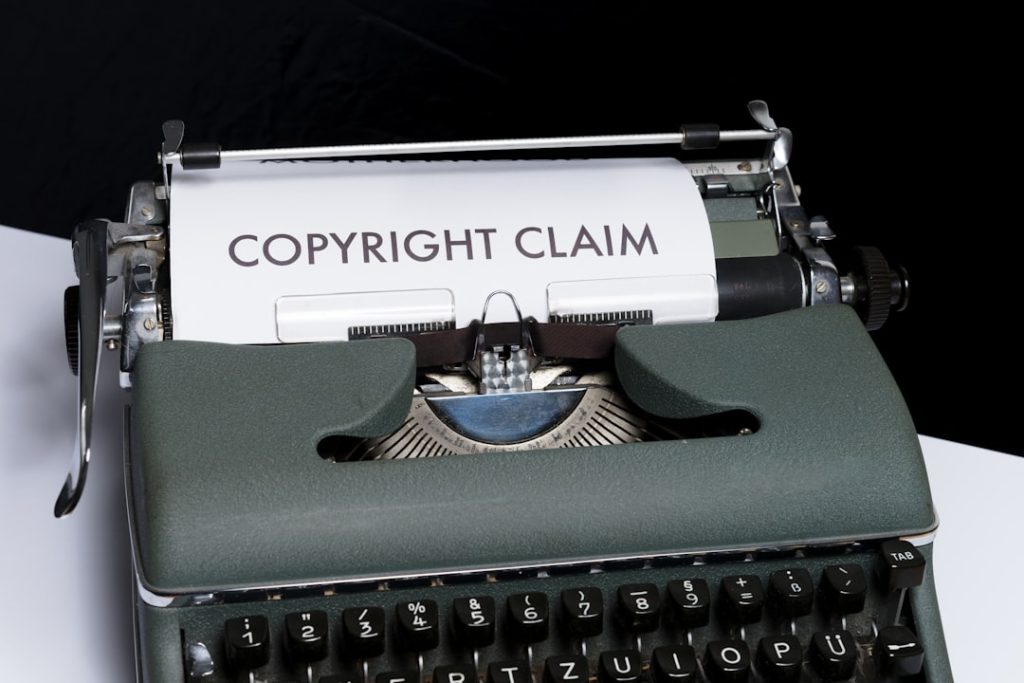
The creative community faces yet another battle over intellectual property rights as an artificial intelligence startup has allegedly appropriated one of the internet’s most recognizable memes without permission. The controversy highlights a growing tension between AI companies seeking viral marketing content and artists defending their creative work.
KC Green, the cartoonist behind the famous “This is Fine” comic featuring a dog sitting calmly in a burning room, has accused an AI startup of stealing his artwork for a subway advertising campaign. The modified version reportedly changes the dog’s dialogue to reference business automation while promoting AI services.
What strikes me most about this situation is how it perfectly encapsulates the broader issues plaguing creative professionals today. This isn’t just about one meme or one company – it’s about a systematic disregard for artistic ownership that’s becoming increasingly common in the AI era. Green’s frustration is entirely justified, and frankly, more artists should be taking similar stands.
The timing couldn’t be more ironic. Here’s an AI company using stolen artwork to promote technology that many fear will replace human creativity entirely. The audacity is almost breathtaking, though sadly not surprising given the tech industry’s track record with intellectual property.

The Real Cost of Creative Theft
Green’s response reveals the true burden this places on artists. Rather than focusing on creating new work, he now must divert time and resources toward legal representation and court battles. This is exactly the kind of drain on creative energy that benefits nobody except lawyers and corporate entities with deeper pockets.
For independent creators and small-scale artists, this case should serve as a wake-up call. The reality is that viral content makes you vulnerable to appropriation, not just wealthy. When your work becomes culturally significant, it becomes a target for commercial exploitation.
Who Benefits and Who Doesn’t
This controversy primarily benefits legal professionals and highlights the need for stronger intellectual property protections in the digital age. It certainly doesn’t benefit artists like Green, who must now spend precious creative time fighting corporate overreach.
The AI startup’s initial response – claiming respect for the artist while apparently using his work without permission – demonstrates the kind of corporate doublespeak that’s become standard in these situations. Their promise to “reach out directly” feels more like damage control than genuine accountability.

A Pattern of Problematic Marketing
This isn’t the company’s first controversial advertising approach. Previous campaigns have included messaging that many found tone-deaf regarding human employment, suggesting a pattern of prioritizing attention-grabbing tactics over ethical considerations.
What concerns me most is how this reflects a broader cultural shift where viral content is treated as public domain simply because it’s widely shared. The original “This is Fine” comic debuted in 2013 and has since become deeply embedded in internet culture, but that ubiquity doesn’t erase Green’s ownership rights.
The Bigger Picture
Green’s situation mirrors challenges faced by numerous creators whose work achieves meme status. The internet’s remix culture often blurs the lines between fair use and commercial appropriation, leaving artists to defend their work after the fact rather than being consulted beforehand.
For working artists, this case represents both a warning and an opportunity. It’s a warning that success can make you a target for unauthorized use, but it’s also an opportunity to see how one creator is fighting back against corporate appropriation.
The artist’s characterization of the situation as theft “like AI steals” cuts to the heart of broader concerns about artificial intelligence training on copyrighted material without compensation. This individual case may seem small, but it’s part of a much larger conversation about creative rights in the age of artificial intelligence.
Ultimately, Green’s decision to pursue legal action, despite the personal cost, sends an important message that creative work has value and artists won’t simply accept unauthorized commercial use of their intellectual property. Whether this leads to meaningful change in how AI companies approach content usage remains to be seen, but it’s a necessary first step in defending artistic rights.
Photo by Markus Winkler on Unsplash
Photo by Diggity Marketing on Unsplash