Cannabis Spirits Break New Ground as THC Beverages Evolve Beyond Traditional Formats
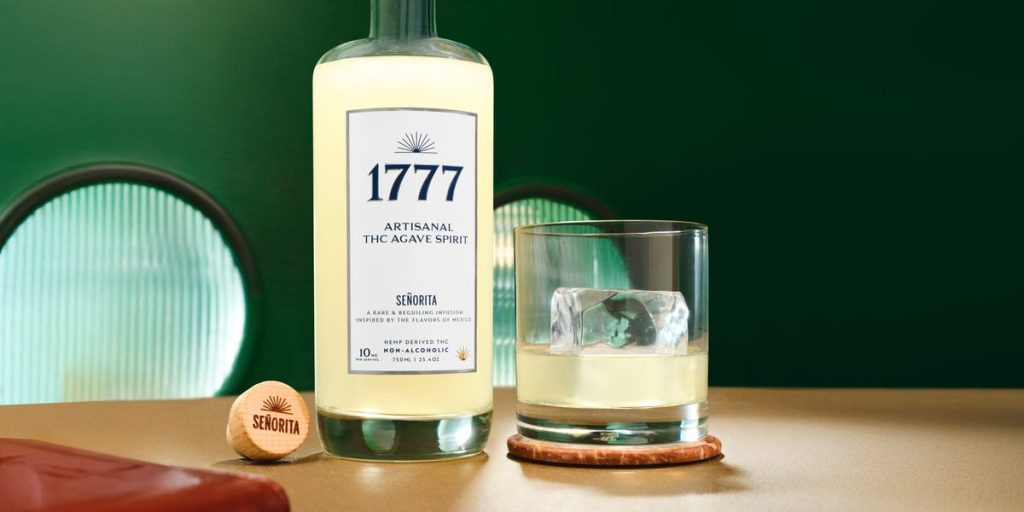
The cannabis beverage market has reached an interesting inflection point, and I think we’re witnessing something significant here. While most companies have been content flooding the market with canned seltzers and ready-to-drink options, a new product category is emerging that actually respects the ritual of cocktail making—and frankly, it’s about time.
Señorita’s latest innovation, the 1777 hemp-derived THC spirit, represents what I believe is the natural evolution of cannabis beverages. Packaged in a 750ml glass bottle rather than the ubiquitous aluminum can, this agave-based spirit delivers 10mg of hemp-derived THC per 1.5-ounce serving. The flavor profile combines Mexican lime, dragon fruit, chili extract, and Acapulco Gold terpenes—a sophisticated blend that positions itself firmly in premium territory.
What strikes me as particularly clever about this approach is how it acknowledges something the canned beverage rush largely ignored: many consumers still want the ceremony of crafting their own drinks. This isn’t for the grab-and-go crowd—this is for people who appreciate the tactile experience of building a cocktail, who want something that looks at home on a well-appointed bar cart.
I think this product will resonate most with experienced cannabis users who have disposable income and value presentation. These are likely people who already have established home bar setups and view cannabis consumption as part of a lifestyle rather than just a quick buzz. Conversely, this probably won’t appeal to casual users looking for convenience or those on tight budgets—at premium pricing, it’s clearly targeting a specific demographic.
The historical reference in the name—1777 marking hemp cultivation’s expansion in the New World—feels a bit forced to me, but it does signal the brand’s attempt to position cannabis within a broader cultural narrative. Whether consumers care about such historical touchstones remains questionable, but it certainly helps differentiate the product in an increasingly crowded market.
What I find most compelling about this development is how it reflects the maturation of the cannabis beverage category. We’ve moved past the novelty phase where simply putting THC in a can was enough. Now companies are competing on sophistication, ritual, and premium experience—which honestly makes much more sense for a product that’s still relatively expensive and legally complex.
This shift toward premium formats also suggests the industry is finally recognizing that cannabis consumers aren’t a monolith. Some want convenience, others want ceremony. Some prioritize potency, others focus on flavor complexity. The one-size-fits-all approach of endless canned variations was always going to hit a ceiling.
For bartenders and hospitality professionals, products like this create interesting opportunities to integrate cannabis into upscale beverage programs without compromising on presentation or ritual. That said, the regulatory landscape remains challenging, and I suspect adoption will be slow outside of cannabis-friendly markets.
The real test will be whether consumers are willing to pay premium prices for what is essentially a specialized mixer. In my view, the success of products like 1777 will depend heavily on education and experience—helping consumers understand not just what they’re buying, but why the format and ritual matter enough to justify the investment.