Digital Generation Wars: How AI-Generated Content Divides Social Media Users
The digital landscape is witnessing fascinating cultural battles as different generations clash over what constitutes quality content. This week’s developments reveal how artificial intelligence-generated material is creating unexpected rifts between age groups, while also examining the evolution of internet pranks and educational content trends.
The Snack Demon Phenomenon Exposes Generational Digital Divides
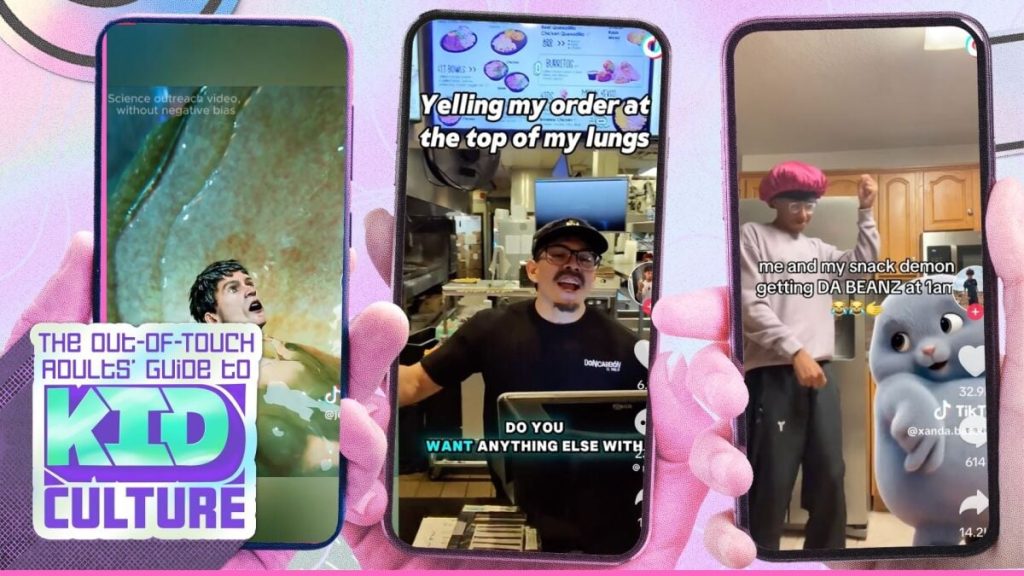
A peculiar AI-generated cartoon character has become the unlikely catalyst for a generational conflict across social media platforms. The “Snack Demon” meme, featuring a cutesy animated figure discussing dietary restraint, has sparked dramatically different responses from various age demographics.
What I find particularly telling about this situation is how it perfectly illustrates the growing disconnect between digital natives and older internet users. The original content, which focuses on resisting snack temptations, resonates primarily with users concerned about dieting – typically an older demographic’s preoccupation. Younger users immediately recognized this as quintessentially “mom content” and responded accordingly.
The younger generation’s counter-response has been brilliantly subversive. They’ve created parody versions featuring a gray variant of the character, deliberately emphasizing the artificial and manufactured nature of the content. Their use of “Le Snack Demon” is particularly clever – it’s a direct callback to the outdated “rage comic” era when internet users would ironically prefix content with “le” to mock perceived lameness.
This generational warfare matters because it reveals something crucial about digital literacy and content consumption. Older users often engage with AI-generated content at face value, while younger users possess an almost instinctive ability to detect and mock artificial content. However, I believe the younger generation is fighting a losing battle here. Irony has always been a minority position online, and in 2025, sincere engagement with content – even questionable content – seems to be winning out over clever commentary.
The real tragedy is that everyone eventually becomes the target of such mockery. Today’s savvy young users will inevitably find themselves on the wrong side of future generational divides, posting content that tomorrow’s youth will find embarrassingly outdated.
Understanding Hip-Hop Collective Naming Conventions
Recent social media discussions have highlighted confusion around rapper naming conventions, particularly the proliferation of “ASAP” prefixes in hip-hop stage names. This confusion stems from a misunderstanding of how musical collectives operate and brand themselves.
The ASAP designation doesn’t simply mean “as soon as possible” in the context of rap names. Instead, it indicates membership in the ASAP Mob, a influential New York-based hip-hop collective established in 2006. This group has produced numerous successful artists who maintain the collective’s branding as part of their individual identities.
What’s fascinating about this naming convention is how it represents different interpretations depending on the source. Some members claim it stands for “Always Strive And Prosper,” while others suggest “Assassinating Snitches and Police.” The most intriguing definition comes from one prominent member who describes it as “Acronym Symbolizing Any Purpose” – a deliberately ambiguous interpretation that allows for maximum creative flexibility.
This matters for anyone trying to understand modern hip-hop culture. Collective branding has become increasingly important in the music industry, providing artists with built-in networks, shared resources, and instant recognition. The ASAP model has been replicated by numerous other groups, making collective affiliation a crucial element of contemporary rap identity.
The Evolution of Digital Pranks
Contemporary prank content has evolved significantly from the dangerous stunts that characterized earlier internet eras. A recent viral video featuring someone loudly ordering food while pretending to have hearing difficulties has garnered over 50 million views, representing a shift toward relatively harmless public interaction content.
I appreciate this evolution because it demonstrates how creators can generate engaging content without crossing ethical lines. Unlike previous generations of prank videos that often involved physical harm or genuine distress, current trends focus on mild social awkwardness that typically leaves subjects amused rather than traumatized.
This creator’s approach – which includes deliberately mispronouncing words, aggressively complimenting strangers, and creating minor public disruptions – represents a refreshing departure from their generation’s typically risk-averse behavior. While many young people today avoid socializing, drinking, or taking any risks due to social media anxiety, this content creator embraces public embarrassment as entertainment.
The key distinction here is consent and harm reduction. Modern prank content generally ensures that subjects aren’t genuinely distressed and that no lasting damage occurs. This represents significant progress from earlier internet culture that celebrated cruelty and dangerous behavior.
Educational Content Disguised as Digital Noise
An unexpected trend has emerged where educational material is packaged within the aesthetic framework typically associated with mindless content consumption. These “educational brainrot” videos use familiar visual elements – often featuring skeleton characters – to deliver legitimate information about history, law, hygiene, and science.
What makes this development particularly interesting is how it subverts expectations about content quality and educational value. Parents and educators who dismiss these videos as worthless might be surprised to discover that viewers are actually learning about Greek philosophy, legal concepts, or scientific principles.
However, I remain skeptical about the long-term educational value of this approach. While the format successfully captures attention, the AI-generated nature of much of this content raises questions about factual accuracy. Additionally, training viewers to expect constant stimulation and rapid-fire information delivery might undermine their ability to engage with more traditional educational formats.
The channels producing this content include hygiene and grooming advice delivered by animated skeletons, basic legal education using similar characters, and bizarre combinations of sea shanties with medical scenarios. While creative, this approach primarily benefits viewers who struggle with traditional educational content but may not serve those seeking deeper understanding.
This trend matters because it represents the ongoing evolution of educational media. Traditional institutions must recognize that younger audiences expect information to be delivered in formats that match their consumption habits, even if those formats seem unconventional or frivolous to older observers.