Fast-Casual Chain Tests Afternoon Taco Deal to Combat Mid-Day Hunger
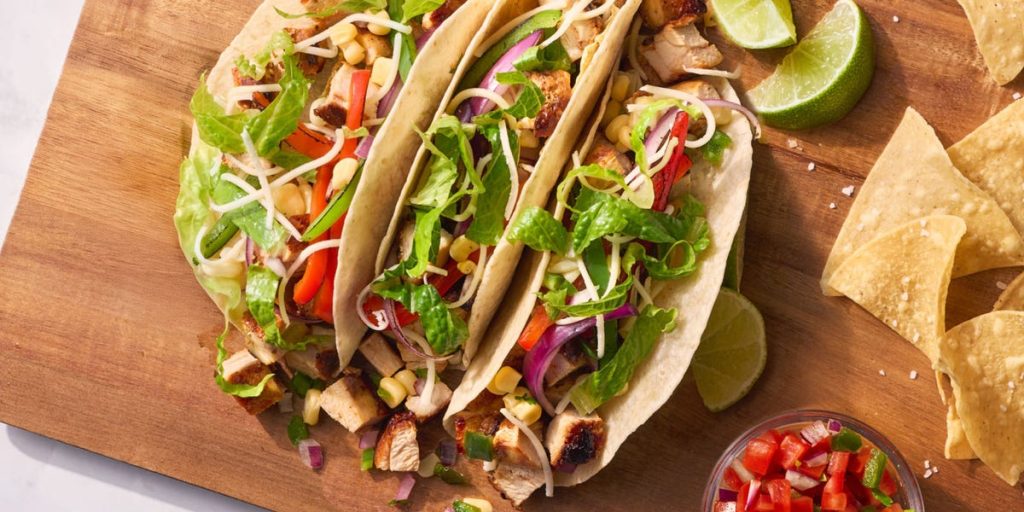
The fast-casual dining industry is getting creative with timing-based promotions, and I think this latest experiment reveals something fascinating about how restaurants are thinking about customer behavior. A major burrito chain is currently piloting a $2.50 single taco promotion during weekday afternoons, specifically targeting that awkward 2-5 PM window when most people are stuck between meals.
This ‘Power Up’ initiative runs Monday through Friday from 2 to 5 PM local time through early June, but here’s the kicker – it’s only available at physical locations in three test markets: Kansas City, Orlando, and Tampa. No mobile orders, no delivery apps, no convenience shortcuts. You want the deal? You have to show up in person.
I find this approach brilliant for several reasons. First, it forces foot traffic during traditionally slow hours, which is exactly what struggling restaurant locations need. Second, the in-store requirement creates a deliberate friction that probably weeds out deal-hunters who aren’t genuinely interested in becoming regular customers.
Who Benefits Most From This Strategy
This promotion is clearly designed for office workers, students, and anyone with flexible schedules who can physically visit during those specific hours. If you’re someone who regularly experiences that mid-afternoon energy crash or finds yourself mindlessly snacking around 3 PM, this could be a game-changer for your routine and your wallet.
However, this deal absolutely doesn’t work for remote workers, busy parents, or anyone tied to a traditional 9-5 schedule without nearby locations. The geographic limitation makes it irrelevant for the vast majority of potential customers, which seems like a missed opportunity to me.
The Economics Behind Afternoon Promotions
What’s particularly smart about this timing is that it addresses a real gap in the restaurant industry. Most establishments see significant drops in sales between lunch and dinner rushes. By offering an attractive price point during these dead hours, the chain can potentially capture customers who might otherwise grab a snack from a convenience store or vending machine.
The customizable aspect allows customers to choose any protein option, including premium selections, though additional toppings like guacamole or extra cheese will bump up the price. I think this strikes the right balance – the base deal is genuinely appealing, but there’s still room for upselling.
Why In-Store Only Makes Sense
The decision to restrict this promotion to in-person orders is actually quite strategic, even if it seems inconvenient. Delivery fees and app commissions would likely eliminate any profit margin on a $2.50 item. More importantly, getting customers physically inside the restaurant increases the likelihood of impulse purchases and future visits.
This test will provide valuable data about whether afternoon promotions can meaningfully impact daily sales patterns. If successful, I expect we’ll see this concept expand to more markets and potentially influence other chains to experiment with similar time-based offers. For now, though, customers in the three test cities have a unique opportunity to reshape their afternoon snacking habits while saving money.