Fresh Independent Gaming Discoveries: Cooperative Shooters and Action Adventures Lead the Pack
The independent gaming landscape continues to flourish with an impressive array of titles that deserve serious attention from discerning players. This week’s selection showcases the remarkable diversity that makes indie gaming so compelling, from heartwarming narrative experiences to intense cooperative action.
Standout New Releases Making Waves
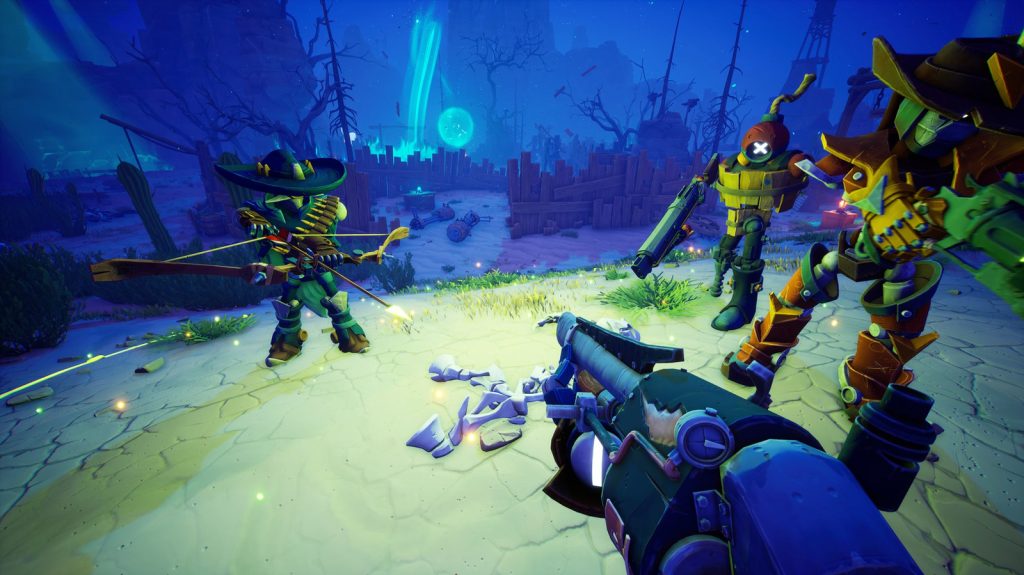
Far Far West has captured significant market attention since launching in early access, demonstrating that there’s still substantial appetite for well-crafted cooperative experiences. This robotic western shooter allows up to four players to tackle bounty hunting missions together, blending extraction mechanics with supernatural western themes.
What strikes me most about this title is its smart approach to cooperative gameplay. Rather than forcing players into overly complex survival mechanics, it focuses on what makes team-based shooters genuinely enjoyable: clear objectives, rewarding progression, and enough challenge to keep groups engaged without becoming frustrating. The supernatural elements—undead enemies, haunted locations, ghost trains—add personality that elevates it beyond generic shooter territory.
This type of game particularly benefits players who have reliable gaming groups but struggle with more hardcore extraction shooters. However, solo players might find the experience less compelling, as the design clearly prioritizes group dynamics over individual play.
SoulQuest represents something I find increasingly rare: a passion project that actually delivers on its ambitious visual promises. After seven years in development, this 2D hack-and-slash adventure showcases frame-perfect animations that immediately caught my attention.
The combat system, built around combo mechanics using light and heavy attacks supplemented by magical abilities, suggests depth that many indie action games lack. What’s particularly noteworthy is how the visual presentation supports the gameplay rather than overshadowing it—a balance many developers struggle to achieve.
This title will appeal most to players who appreciate technical craftsmanship in their action games. Those seeking casual, pick-up-and-play experiences might find the combo-focused combat more demanding than they prefer.
Innovative Concepts Worth Monitoring
Gambonanza demonstrates how creative developers can breathe new life into established concepts. By combining chess fundamentals with roguelike progression and card-game-style modifiers, it creates something genuinely fresh rather than simply iterating on existing formulas.
The inclusion of over 150 “gambits” that modify traditional chess rules shows sophisticated design thinking. This isn’t just chess with pretty graphics—it’s a complete reimagining of how chess mechanics can function within a different structural framework.
Strategy game enthusiasts will likely find this approach fascinating, while players who typically avoid chess-based games might discover an accessible entry point. However, those seeking action-oriented gameplay should look elsewhere.
The Day I Became A Bird tackles territory that many developers avoid: genuine emotional storytelling without cynicism or irony. Based on children’s literature, it explores young love through hand-drawn visuals and straightforward puzzle mechanics.
What impresses me about this approach is its confidence in simplicity. In an industry often obsessed with complexity and extended playtime, creating a meaningful hour-long experience requires different skills entirely. The focus on exploration and light puzzle-solving serves the narrative rather than padding runtime.
Parents seeking quality content to share with children will find significant value here, as will players who appreciate narrative-focused experiences. Achievement hunters also benefit from accessible completion requirements. However, players prioritizing challenge or extended gameplay will likely feel unsatisfied.
Upcoming Developments to Track
The announcement of Dig! Dig! Dino! coming to Steam represents an interesting trend: successful handheld exclusives expanding to broader platforms. This dinosaur bone excavation game earned recognition on its original platform through polished mechanics and charming presentation.
What’s particularly encouraging is the developer’s commitment to maintaining the original’s distinctive visual style rather than completely overhauling it for different hardware. This suggests confidence in the core design rather than assumption that “bigger” automatically means “better.”
Truck-kun is Supporting Me from Another World?! exemplifies the creative freedom that makes independent development so vital. By combining driving mechanics with visual novel storytelling and anime-inspired themes, it explores territory that major publishers would likely consider too niche.
The concept of parallel world interaction—where actions in one realm affect another—offers mechanical possibilities that extend beyond simple genre mashups. This type of experimental design often produces either brilliant innovations or complete failures, making it particularly interesting to follow.
Industry Perspective and Market Trends
The variety represented in these releases reflects the independent gaming sector’s greatest strength: willingness to explore concepts that don’t fit established market categories. While major publishers focus on proven formulas, indie developers continue pushing boundaries in ways that often influence broader industry trends.
However, this diversity also presents challenges for players trying to navigate the constant stream of new releases. The sheer volume of indie games makes discovery increasingly difficult, even for titles with genuine merit.
What’s most encouraging about this particular selection is how each game demonstrates clear design vision rather than simply combining popular elements. Whether that’s SoulQuest’s commitment to animation quality, Gambonanza’s systematic approach to rule modification, or Far Far West’s focus on cooperative dynamics, each title shows developers understanding their core strengths.
For players willing to explore beyond mainstream releases, the current indie landscape offers remarkable variety and innovation. The key is identifying which experimental approaches align with your particular gaming preferences and available time investment.