Gaming Retailer’s Bold $55.5 Billion Bid Shakes Up E-commerce Landscape
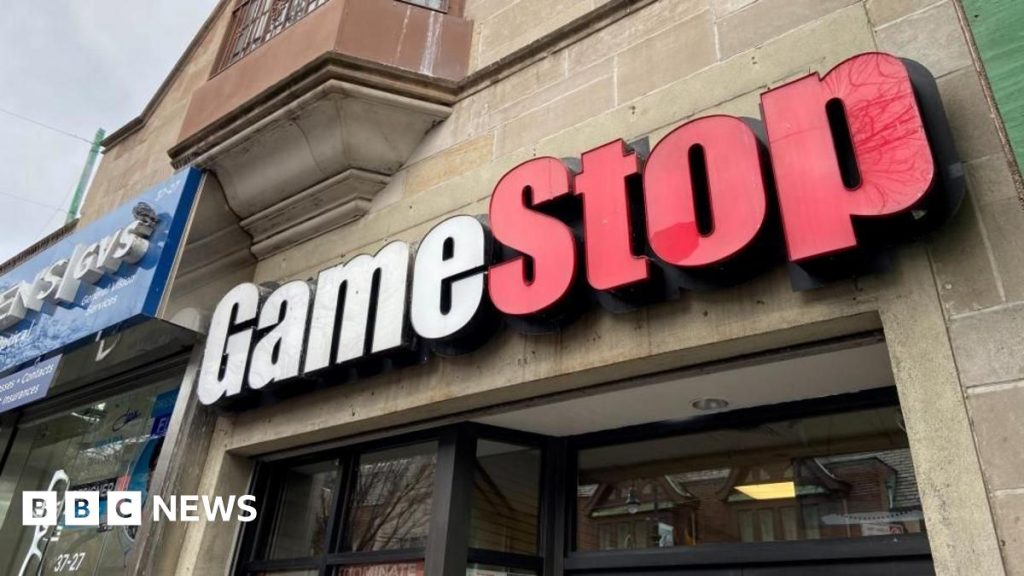
In what I consider one of the most audacious corporate moves we’ve seen this year, a major video game retailer has launched an unexpected $55.5 billion takeover attempt of a prominent online marketplace platform. This isn’t just another merger announcement – it’s a fascinating case study in how transformed companies are reshaping their ambitions in the digital economy.
The proposed acquisition values the target company at $125 per share, representing a substantial premium over Friday’s closing price. What makes this particularly intriguing is the stark difference in market capitalizations – the acquiring company is valued at roughly $11.9 billion, making this a classic David-versus-Goliath scenario that I find both bold and potentially reckless.
A Strategy Born from Transformation
The gaming retailer’s CEO has positioned this as more than just an acquisition – he’s framing it as a complete reimagining of e-commerce competition. His claim that the combined entity could rival major online retail giants is ambitious, though I’m skeptical about the execution challenges this would present.
What’s particularly noteworthy is the proposed leadership structure. The acquiring CEO would take the helm of the merged company while forgoing traditional compensation, instead tying his earnings entirely to company performance. This is either brilliant confidence or concerning desperation – and frankly, I lean toward the latter given the financial mechanics involved.
The Numbers Don’t Add Up
Here’s where I see significant red flags. The acquiring company has secured approximately $20 billion in debt financing to support this deal, but that still leaves a substantial funding gap for a $55.5 billion transaction. The proposal essentially asks shareholders of a profitable, established marketplace to accept ownership in a heavily leveraged entity with questionable synergies.
The promised $2 billion in annual cost savings primarily targets the marketplace’s sales and marketing operations. While cost-cutting can boost short-term profitability, I question whether reducing marketing spend is wise for a platform that’s already losing users to competitors. The target company’s user base has declined from 175 million to 136 million over recent years – hardly the time to slash promotional efforts.
Market Reaction Tells the Real Story
The market’s response speaks volumes about investor sentiment. While the target company’s shares jumped 5.5%, the acquiring company’s stock fell over 4%. This divergence suggests investors view this as potentially beneficial for shareholders being acquired but problematic for those doing the acquiring.
Industry analysts have been notably skeptical, with major investment firms highlighting the “fundamentally different” business models and questioning the financial feasibility. I share these concerns – combining a physical retail chain with a digital marketplace requires more than ambitious vision; it demands operational expertise that isn’t evident in this proposal.
Who Benefits and Who Doesn’t
This deal would primarily benefit current shareholders of the target marketplace, who would receive a significant premium for their holdings. The acquiring company’s shareholders face a more uncertain future, potentially inheriting substantial debt and integration challenges.
For consumers, the impact remains unclear. The promise of leveraging physical retail locations for “live commerce” and enhanced logistics sounds appealing in theory, but the execution track record doesn’t inspire confidence. The acquiring company’s own digital transformation has been sluggish, raising questions about its ability to enhance an established online platform.
From my perspective, this proposal reflects more desperation than strategic brilliance. While the gaming retailer has shown impressive financial recovery – with net profits rising to $418.4 million despite declining sales – this doesn’t necessarily translate to e-commerce expertise at the scale required.
The fundamental question isn’t whether this merger could work, but whether it should work. In an era where focused, specialized companies often outperform sprawling conglomerates, this feels like a step backward rather than forward. The marketplace’s shareholders might benefit from the premium, but the long-term viability of the combined entity remains highly questionable.