High Fashion’s Anatomical Revolution: When Human Biology Meets Haute Couture
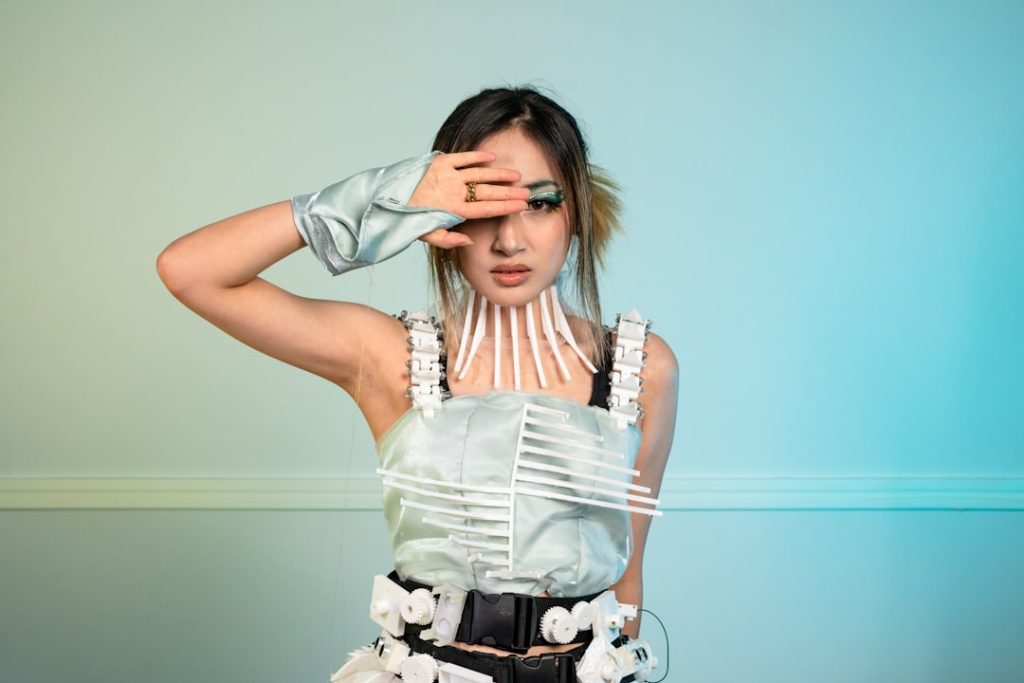
The fashion world has always pushed boundaries, but the latest trend toward anatomically-inspired design represents something genuinely unprecedented in haute couture. What we’re witnessing isn’t just another artistic movement—it’s a fundamental reimagining of how designers view the human form as both canvas and inspiration.
I find this biological approach to fashion both fascinating and deeply unsettling. On one hand, there’s undeniable artistry in transforming the grotesque into the gorgeous, turning our most visceral elements into wearable art. The technical skill required to make bone structures elegant or internal organs aesthetically pleasing is remarkable. Yet I can’t help but question whether this represents genuine innovation or merely shock value dressed up as sophistication.
This trend particularly resonates with avant-garde collectors and fashion insiders who thrive on pieces that provoke conversation. For these individuals, wearing anatomically-inspired couture becomes a statement about fearlessness and artistic appreciation. The exclusivity factor alone makes these pieces incredibly desirable among those who view fashion as high art rather than mere clothing.

However, this movement clearly isn’t for everyone. Traditional fashion enthusiasts who prefer elegance and wearability will find little appeal in garments that prioritize conceptual impact over comfort or conventional beauty. The average consumer, understandably, might struggle to see the appeal in clothing that celebrates our biological reality so literally.
The Technical Mastery Behind the Macabre
What strikes me most about this anatomical fashion movement is the extraordinary craftsmanship involved. Designers are essentially becoming sculptors, working with materials and forms that challenge every traditional notion of what constitutes beautiful clothing. The precision required to make skeletal structures appear graceful or to transform organic shapes into wearable art demands skills that go far beyond conventional fashion design.
From my perspective, this represents fashion’s most honest moment—acknowledging that beneath all our aesthetic pretensions, we are fundamentally biological beings. There’s something refreshingly authentic about embracing rather than disguising our physical reality, even if the execution feels deliberately provocative.

Market Impact and Cultural Significance
This biological fashion trend will likely remain confined to the highest echelons of couture, and frankly, that’s probably for the best. While I appreciate the artistic merit, the commercial viability of anatomically-inspired clothing is extremely limited. This isn’t mass-market fashion—it’s wearable art that serves more as cultural commentary than practical clothing.
The real value lies in how these designs challenge our perceptions and push the entire industry forward. Even if most people never wear anatomically-inspired couture, the concepts and techniques developed for these pieces inevitably filter down to influence mainstream fashion in subtle but meaningful ways.
What concerns me, though, is the potential for this trend to become purely performative—shocking for shock’s sake rather than genuine artistic expression. The fashion industry has a tendency to exhaust provocative concepts quickly, and I worry that the deeper artistic intentions behind anatomical fashion might get lost in the rush to create the next viral moment.
Ultimately, this movement serves fashion’s most sophisticated audiences while remaining largely irrelevant to everyday consumers. That’s not necessarily a problem—haute couture has always existed in its own rarefied sphere—but it does highlight the growing disconnect between fashion as art and fashion as functional clothing.
Photo by Jiachen Zhou on Unsplash
Photo by Khaled Ghareeb on Unsplash
Photo by Dmitriy Frantsev on Unsplash