Manhattan’s Busiest Grocery Store Shuts Down for Months-Long Renovation Project
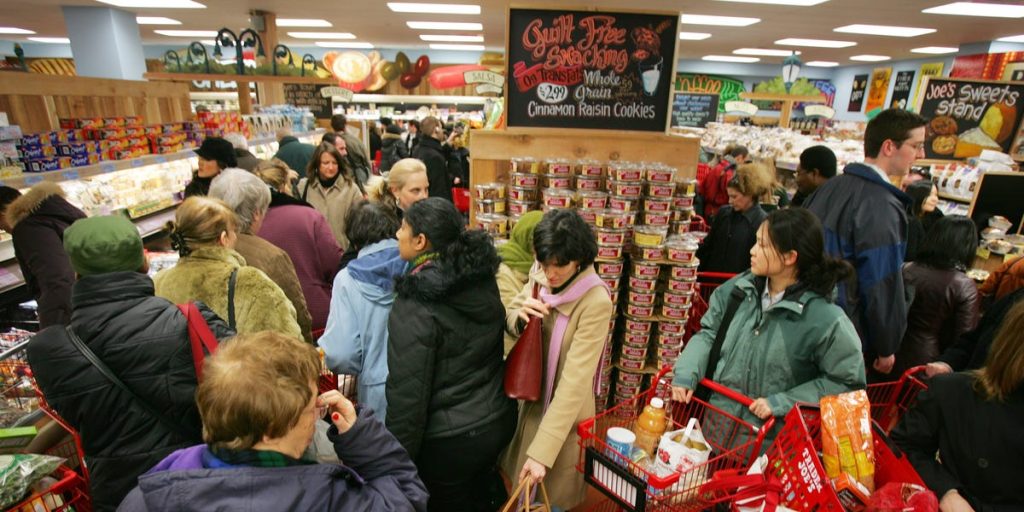
When a neighborhood grocery store becomes the backbone of your weekly routine, its sudden closure can feel like a personal crisis. That’s exactly what thousands of Manhattan residents are facing as one of the city’s most frequented specialty grocery locations prepares to go dark for several months.
The massive multi-level store at 72nd Street and Broadway on Manhattan’s Upper West Side will temporarily close its doors starting May 17th for what the company describes as extensive renovations. This isn’t just any neighborhood market—it’s reportedly the single busiest location in the entire chain worldwide, serving an enormous volume of customers daily in one of New York’s most densely populated areas.
I think this closure represents something bigger than just an inconvenience for local shoppers. It highlights how dependent urban communities become on specific retail anchors, especially in neighborhoods where grocery options can be surprisingly limited despite the city’s density. For Upper West Side residents who’ve built their shopping routines around this particular store, the next few months will force them to completely rethink their approach to grocery shopping.
What the Renovation Will Include
According to store signage and company representatives, the renovation project will focus heavily on infrastructure improvements. The plans include major updates to refrigeration systems and what they’re calling “vertical transportation”—likely referring to the elevators and escalators that help customers navigate the store’s multiple floors.
The scope of these improvements suggests this isn’t just a cosmetic refresh but a substantial overhaul of the store’s operational systems. Given the location’s extraordinary customer volume, I believe these infrastructure upgrades are probably long overdue. High-traffic retail locations like this one face enormous wear and tear on their systems, and the company is likely addressing years of accumulated maintenance needs all at once.
Impact on Employees
One aspect I find encouraging is how the company is handling its workforce during the closure. Employees will have the option to transfer to other locations or take unpaid leave while renovations are underway. This approach shows some consideration for workers who might otherwise face financial hardship during the extended closure period.
However, I think this situation also exposes the vulnerability that retail workers face when stores undergo major changes. Even with transfer options available, employees may face longer commutes or unfamiliar work environments at different locations. For some workers, the temporary displacement could create real logistical and financial challenges.
Why This Matters Beyond One Neighborhood
This closure is particularly significant because of the store’s unique characteristics. The location spans multiple levels and requires two elevators and four escalators to manage customer flow. It operates with approximately three times the staff and checkout stations of a typical store, reflecting the extraordinary demand it serves.
I believe this renovation project represents a broader trend in urban retail, where successful locations eventually outgrow their original infrastructure. The store’s success has likely pushed its systems beyond their intended capacity, necessitating this major investment in upgrades.
For urban planners and retail analysts, this situation illustrates both the opportunities and challenges of high-density retail. While successful urban stores can generate enormous revenue, they also require significant ongoing investment to maintain operations at such intense levels.
What This Means for Different Groups
The closure will affect different people in dramatically different ways. Long-time neighborhood residents who’ve built their shopping routines around this location will face the biggest disruption. These are likely people who know exactly where every product is located and have optimized their shopping trips around the store’s layout and hours.
On the other hand, occasional shoppers or those who already use multiple grocery stores probably won’t feel much impact. The neighborhood has other food retail options, though none with quite the same product selection or pricing structure.
I think the people who will benefit most from this renovation are future customers and employees who will enjoy improved systems and potentially better working conditions. The current disruption is the price everyone pays for long-term improvements that should make the shopping experience more efficient and pleasant once the store reopens.
Ultimately, while several months might seem like a long time for a renovation, I believe it’s probably necessary given the scale of infrastructure updates required. The question is whether the improvements will be substantial enough to justify the extended closure and whether the store can recapture its customer base once it reopens.