Medieval Cathedral Towns Reveal Timeless Human Drama Through Literary Lens
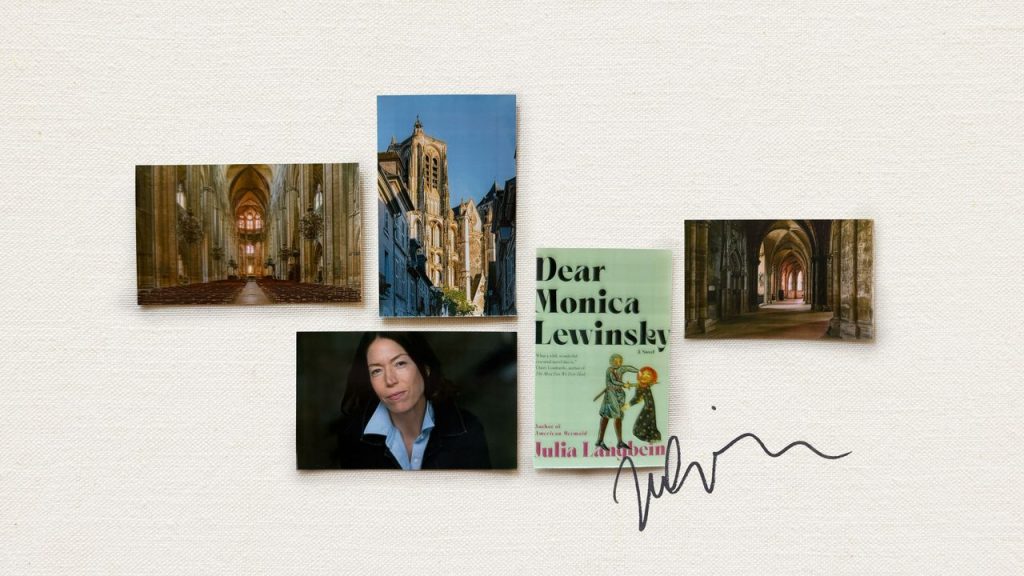
The ancient cathedral towns scattered across France serve as perfect theaters for observing the eternal human condition, where centuries-old architecture frames contemporary social dynamics in fascinating ways. These historic settlements, built around magnificent religious structures, continue to pulse with the same fundamental human emotions and conflicts that have played out for generations.
What strikes me most about these cathedral communities is how they compress human experience into remarkably intimate spaces. Unlike sprawling modern cities where anonymity reigns, these towns force residents into constant proximity, creating natural stages where personal dramas unfold with theatrical intensity. The medieval layout, with narrow streets radiating from central squares dominated by towering spires, ensures that everyone becomes both performer and audience in the ongoing spectacle of daily life.
I believe these environments are particularly valuable for writers and observers of human nature. The physical constraints of ancient urban planning create pressure cookers of social interaction that reveal character in ways that suburban sprawl simply cannot match. When you cannot escape your neighbors, when every trip to the bakery becomes a potential encounter with former lovers, business rivals, or family feuds, the mundane transforms into compelling narrative material.
For novelists and social commentators, these towns offer unparalleled opportunities to study how historical weight shapes contemporary behavior. The presence of centuries-old religious architecture adds layers of meaning to every human interaction, creating a backdrop where the sacred and profane constantly intersect. This juxtaposition appeals most to those who appreciate irony and complexity in human relationships.
However, I must acknowledge that this perspective primarily serves those with the luxury of observation rather than the obligation of permanent residence. While visitors and writers might find endless fascination in the social dynamics, actual residents often struggle with the suffocating aspects of small-town life. The same intimacy that creates rich material for storytelling can become oppressive for those seeking privacy or reinvention.
The cathedral towns work best as subjects for literary exploration when approached with both affection and critical distance. They reward those who can appreciate the absurdity of human pretensions while recognizing the genuine struggles beneath the surface comedy. For readers seeking deeper understanding of how environment shapes character, these communities provide invaluable case studies in the persistence of human nature across centuries.