The Perfect Margarita: Mastering Mexico’s Most Beloved Cocktail
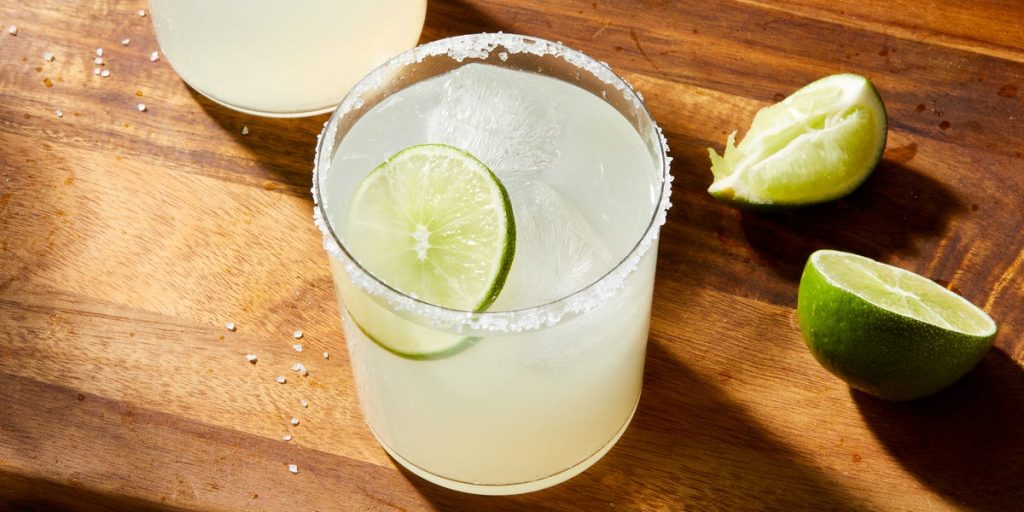
Few cocktails capture the essence of celebration quite like a well-crafted margarita. This iconic Mexican drink has become a global phenomenon, and frankly, I believe it deserves every bit of its popularity. The beauty of a margarita lies in its deceptive simplicity – just three core ingredients that, when balanced correctly, create something truly magical.
What Makes a Great Margarita
In my opinion, the key to an exceptional margarita is understanding that quality trumps everything else. You need good tequila – and I mean good tequila, not the bottom-shelf stuff that gives you a headache just looking at it. This cocktail is for those who appreciate the nuanced flavors of agave and aren’t afraid to invest a little more in their drinking experience.
The classic recipe calls for tequila, fresh lime juice, and orange liqueur, typically Cointreau or triple sec. What I find fascinating is how this simple combination can vary so dramatically based on technique and ingredient quality. The ratio matters enormously – too much lime and you’ll pucker uncontrollably, too little and you lose that bright, acidic backbone that makes the drink sing.
Who Should Master This Recipe
This cocktail is perfect for home bartenders who want to impress without getting too complicated. If you’re someone who enjoys hosting dinner parties or summer gatherings, mastering the margarita should be at the top of your priority list. It’s also ideal for those who appreciate Mexican cuisine and want to pair their meals with authentic flavors.
However, I’ll be honest – this isn’t for everyone. If you’re not a fan of tart, citrusy drinks, or if you prefer sweeter cocktails, you might want to look elsewhere. The margarita’s appeal lies in its bright, clean finish, which some find too sharp or aggressive.
The Technique That Makes the Difference
What really sets apart a professional-quality margarita from a mediocre one is the preparation method. I strongly believe in shaking with ice rather than blending, unless you’re specifically making a frozen version. The shaking technique creates the perfect dilution and temperature while maintaining the drink’s integrity.
The salt rim is another crucial element that many people either love or hate. Personally, I think it’s essential – it provides a savory counterpoint to the drink’s acidity and enhances the overall flavor profile. But here’s what matters: use coarse sea salt or kosher salt, never table salt. The texture and mineral content make a significant difference.
When to Serve and When to Skip
Margaritas shine brightest during warm weather and casual social situations. They’re the perfect accompaniment to Mexican food, barbecues, and poolside gatherings. The drink’s refreshing nature makes it ideal for cutting through rich, spicy foods.
That said, I wouldn’t recommend serving margaritas at formal dinner parties or sophisticated wine tastings. They’re inherently casual drinks that work best in relaxed environments. Also, if your guests aren’t familiar with tequila or prefer milder flavors, you might want to offer alternatives.
The margarita represents more than just a cocktail – it’s a celebration of Mexican culture and craftsmanship. When made properly with respect for its origins and attention to detail, it becomes an experience rather than just a drink. For those willing to invest in quality ingredients and take the time to perfect their technique, the margarita offers endless satisfaction and the perfect way to bring people together.