The Viral Mullet Burger Phenomenon: When Social Media Jokes Become Real Food Trends
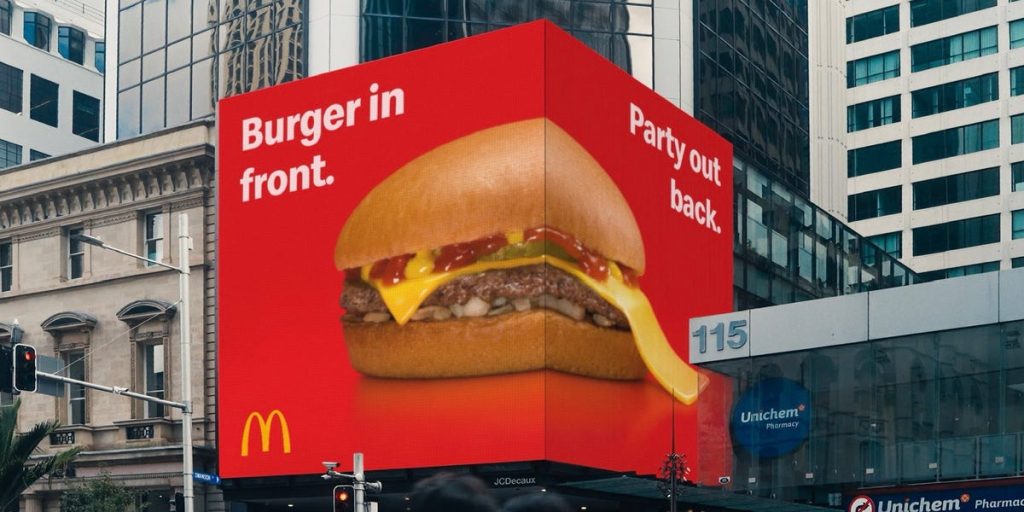
In what I believe represents a brilliant example of brand responsiveness to digital culture, a major fast-food chain in New Zealand recently transformed an internet meme into a tangible product experience. The concept centers around a cheeseburger designed to mimic the iconic mullet hairstyle—business up front, party in the back—with an extra cheese slice strategically positioned to hang out the rear of the bun.
From Digital Jest to Physical Reality
What fascinates me most about this development is how it originated organically from social media conversations rather than traditional marketing brainstorming sessions. Online users began joking about what a “mullet burger” might look like, and the company decided to capitalize on this grassroots humor by bringing the concept to life at an Auckland location.
I think this approach is particularly smart because it demonstrates genuine engagement with customer creativity rather than top-down product development. The brand didn’t just acknowledge the joke—they built an entire experiential event around it, complete with themed restaurant redesigns and live barber services offering complimentary mullet cuts to participants.
The Event Experience That Matters
The activation went far beyond simply serving a modified burger. The location was transformed with mullet-inspired decorative elements, and the company organized a full-scale mullet festival atmosphere. Attendees could participate in a mullet competition, with the winner receiving a year’s worth of free cheeseburgers and haircuts—though honestly, I’m not sure which prize holds more long-term value.
This type of immersive marketing is exactly what I believe resonates with today’s experience-hungry consumers, particularly younger demographics who value authenticity and participatory brand interactions over traditional advertising approaches.
The Accessibility Factor
Here’s what makes this particularly clever from a business perspective: unlike many international menu items that require specialized ingredients or regional suppliers, this creation uses standard components available everywhere. The “mullet burger” is simply a regular cheeseburger with an additional cheese slice positioned for aesthetic effect.
This means anyone can recreate the experience by ordering a cheeseburger with extra cheese and adjusting the placement themselves. I think this accessibility actually enhances the viral potential—it’s not an exclusive product that breeds FOMO, but rather an inclusive concept that encourages widespread participation and user-generated content.
Who This Appeals To (And Who It Doesn’t)
In my opinion, this type of marketing resonates most strongly with social media-savvy consumers who appreciate brands that don’t take themselves too seriously. It’s perfect for people who enjoy novelty food experiences and sharing quirky moments online. The mullet theme particularly appeals to those with nostalgia for retro aesthetics or appreciation for ironic humor.
However, I suspect this approach might alienate more traditional consumers who prefer straightforward menu offerings without gimmicky presentations. Brand purists who value consistency over creativity probably won’t appreciate this type of playful deviation from standard products.
The Broader Marketing Lesson
What I find most valuable about this case study is how it demonstrates the power of responsive marketing in the digital age. Rather than trying to create viral moments from scratch, successful brands are increasingly learning to recognize and amplify organic cultural conversations that align with their identity.
This strategy works because it feels authentic rather than manufactured. When companies attempt to force viral content, it often falls flat. But when they genuinely engage with existing community creativity, as happened here, the results feel natural and shareable.
For marketing professionals and brand managers, I believe this example illustrates the importance of monitoring social conversations not just for crisis management, but for opportunity identification. The most effective modern marketing often involves being ready to say “yes” to unexpected ideas that emerge from customer communities.